


Europe’s gas prices fuel inflation fears amid supply uncertainty
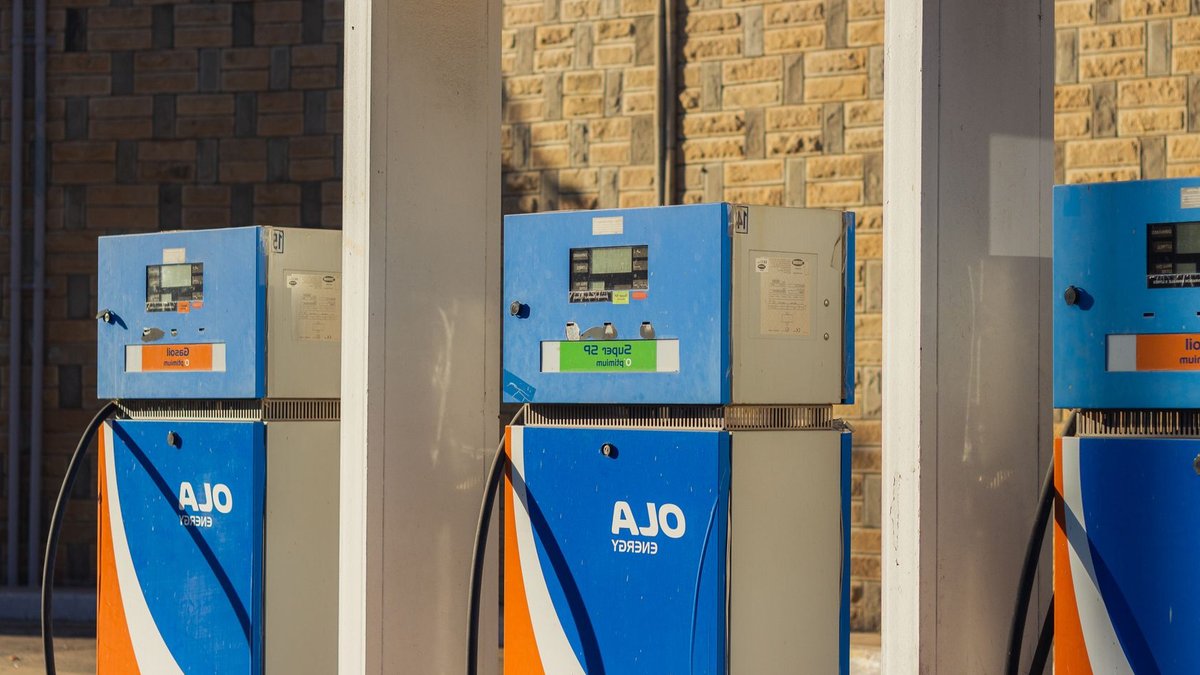
The latest surge in European natural gas prices has reignited fears of another energy crisis, though policymakers remain divided over whether this is a temporary seasonal fluctuation or a deeper structural issue. With storage levels hovering near 60% of capacity—well below the usual August benchmark of 75%—and liquefied natural gas imports weakening amid heightened competition from Asia, the European Central Bank faces a dilemma. Gas prices now play a more direct role in shaping inflation than oil did in past shocks, influencing everything from electricity costs to industrial output and household budgets.
An analysis by RBC European Macro Strategy highlights the shift from oil-driven energy shocks to gas-focused vulnerabilities. Unlike oil, natural gas is deeply embedded in Europe’s energy infrastructure, making its price volatility a more immediate threat to economic stability. The ECB’s inflation-fighting efforts could be strained if gas costs spiral, particularly since the bank has already signaled caution about external price pressures.
Europe’s natural gas consumption has dropped by roughly 15-20% since the 2022 crisis, falling from an annual average of 400-420 billion cubic meters to 320-340 billion cubic meters. This decline stems from lasting structural changes rather than short-term adjustments. Industrial sectors have reduced energy use through efficiency upgrades, relocations, or scaled-back production, while residential demand has eased thanks to better insulation, heat pump adoption, and conservation measures. Renewable energy growth has further lessened Europe’s dependence on gas for power generation.
The reduced demand has paradoxically lowered the region’s exposure to supply shortages, though high prices still pose economic risks. Industrial leaders, including Sir Jim Ratcliffe, Ineos founder, have warned that soaring energy costs threaten industrial viability. At the same time, governments and utilities have strengthened crisis preparedness, implementing improved hedging strategies and emergency response frameworks. France’s nuclear sector, which faced challenges in 2022 and 2023, has largely stabilized, reducing pressure on gas-dependent energy production.
For bond markets, the focus is not on storage levels alone but on whether gas prices will rise sufficiently to alter inflation expectations. The ECB continues to prioritize domestic inflation drivers, such as wage growth and services price trends, over external shocks. While temporary supply disruptions may prompt delays in rate cuts, they are unlikely to derail the central bank’s broader easing trajectory. A sustained gas-driven inflation surge could, however, extend the timeline for monetary loosening.
Investors will need to monitor several indicators in the coming period. A steeper-than-expected decline in storage levels, a sharp increase in Asian LNG demand, or persistent supply chain bottlenecks could signal escalating risks. Similarly, colder-than-average winter weather or wholesale gas prices at the Dutch Title Transfer Facility (TTF) hub moving sustainably higher would heighten concerns. Without these developments, speculation about a renewed energy crisis may remain exaggerated.


