


Asia’s currencies falter amid oil shocks and capital flight
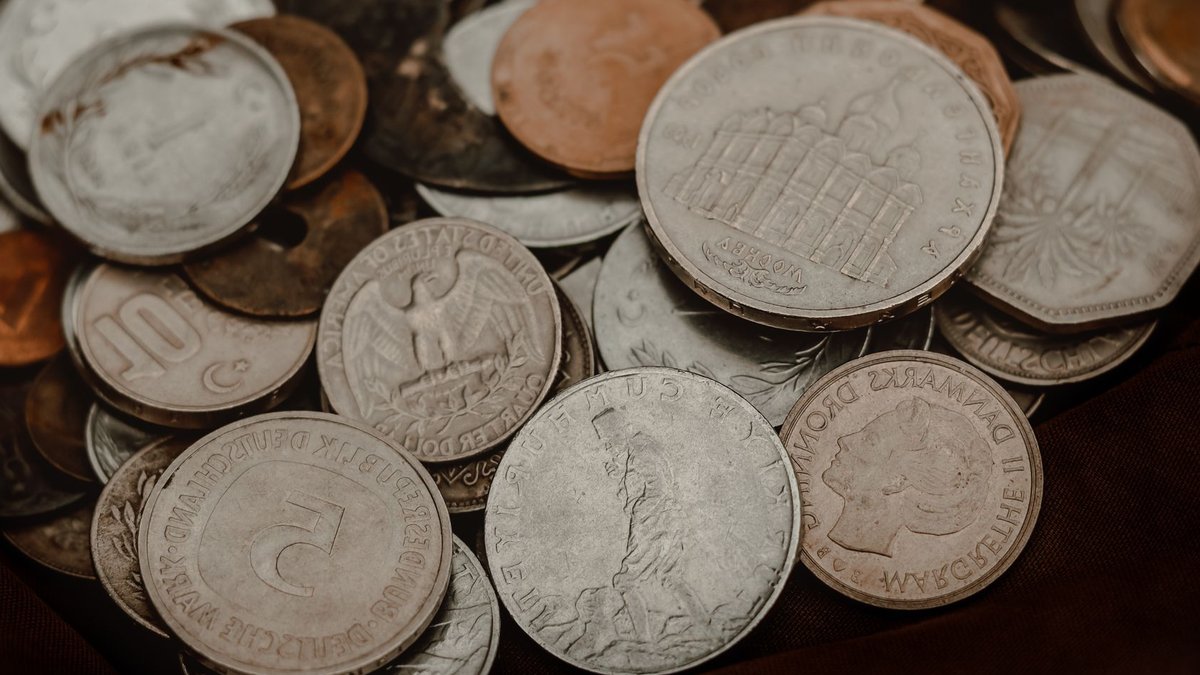
Asian currencies began 2026 with projections that stronger trade balances and shifting capital flows might finally test the U.S. dollar’s long-standing dominance. The Year of the Fire Horse, blending fire and metal elements in Chinese astrology, was expected to bring market turbulence but also a possible inflection point. Six months later, however, the region’s currencies have failed to sustain meaningful gains, instead enduring sharp fluctuations driven by geopolitical disruptions and shifting investor confidence.
The escalation of U.S.-Iran tensions in late February sent oil prices surging, directly straining Asia’s energy-dependent economies. Inflation expectations darkened, and local bond markets came under pressure. Asian currencies underperformed even their emerging-market counterparts, particularly in Latin America, where strong commodity exports provided some protection. By mid-year, the gap between early forecasts and actual performance had widened significantly.
Some currencies faced heavier pressure than others. The Philippine peso, Thai baht, and Indian rupee weakened as rising oil import costs tightened fiscal conditions. Indonesia’s rupiah suffered further losses as foreign capital outflows heightened concerns over economic policy under President Prabowo, while uncertainties about commodity exports added to the strain.
The South Korean won behaved differently. Despite solid external fundamentals—including AI-driven export growth and a strong current account—the currency struggled with persistent outflows from equity and domestic investors. Since July, however, the won has recovered sharply, supported by policies encouraging exporters to convert foreign earnings into local currency.
Renminbi’s stability defies regional turbulence
China’s renminbi remained the regional outlier, appreciating steadily as authorities prioritized currency stability. The contrast highlighted a key reality: fundamentals alone do not determine currency performance when investor sentiment drives capital movements. This year’s volatility has been less extreme than past energy shocks, Asian currencies fell by 4.5% from peak to trough, compared with a 12% drop in 2022. Still, the market’s response has been shaped more by risk reassessment than systemic distress.
Asia’s financial resilience remains strong despite higher energy costs. Current account surpluses are expected to grow in Malaysia, South Korea, and Taiwan, fueled by technology and AI exports. Foreign-exchange reserves, though deployed selectively by central banks, remain substantial. The Philippines and India lead in reserve adequacy across Asia, with India and South Korea holding $700 billion and $400 billion, respectively.
Policymakers deploy aggressive tools to curb outflows
Policymakers have rolled out targeted measures to address the challenges. South Korea expanded hedging options for exporters and accelerated currency conversion policies, boosting dollar-to-won conversions. India took a more aggressive stance, eliminating capital gains taxes, broadening investment channels, and introducing concessional swap facilities for foreign deposits. The FCNR(B) program alone attracted $52.3 billion by mid-August, prompting the Reserve Bank of India to close the swap window early.
Central banks have also introduced indirect tools to stabilize currency markets. Singapore’s Monetary Authority expanded its SGD/Non-Deliverable Forward (NDF) market, offering more hedging options for corporates and foreign investors. This move aligns with broader efforts to deepen onshore liquidity, which has helped reduce volatility in the Singapore dollar despite continued outflows from regional equity funds. Taiwan’s central bank has quietly encouraged lenders to offer preferential foreign-exchange conversion rates for exporters, particularly in the semiconductor sector, where dollar earnings remain strong.
Malaysia’s Bank Negara Malaysia has pursued a two-pronged strategy: tightening controls on speculative short positions while promoting the Malaysian Ringgit Denominated Bonds (MRDB) program. These bonds, issued in ringgit but accessible to foreign investors, have raised nearly $1.5 billion since their relaunch in May, partially offsetting outflows from government securities.
Indonesia’s Bank Indonesia operates under stricter constraints, limited by law to intervening in just 2% of daily trading volume. Policymakers have relied instead on persuasion and reserve diversification, accelerating purchases of gold and special drawing rights (SDRs) to strengthen defenses.


