


Super El Niño Threatens Global Food Supplies and Economies
Climate discussions have largely overlooked what scientists are calling a “super El Niño” event, despite its potential to significantly disrupt global food supplies and economies. The U.S. National Oceanic and Atmospheric Administration (NOAA) has assigned an 81% probability to a “very strong El Niño,” defined as Pacific ocean temperatures rising more than 2°C above seasonal averages. Australia’s Bureau of Meteorology projects even higher anomalies, forecasting increases up to 3.5°C—surpassing the 2.6°C peak recorded in November 2015.
Peru’s Disproportionate Global Impact
Peru stands out as one of the most vulnerable nations, with GDP growth potentially reduced by over one percentage point. Extreme weather events, from flooding to disrupted supply chains, threaten agricultural output and deter investment. Yet the country’s influence extends far beyond its borders. Peru dominates global blueberry exports, shipping over $2.5 billion worth in 2025, making any production shortfall a direct hit to international fruit markets.
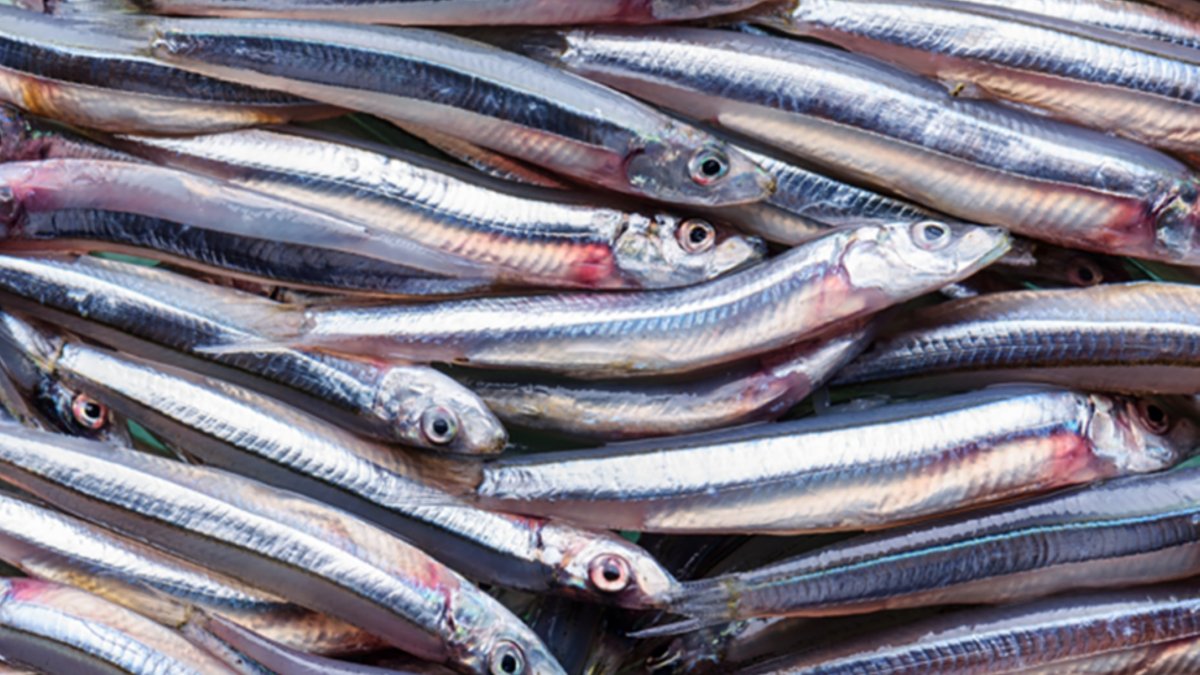
The nation’s anchovy fishery, the world’s largest by volume, faces similar risks. During El Niño events, warming waters drive anchovy populations deeper, often halting fishing seasons entirely. These fish are critical to global aquaculture, supplying 20% of the world’s fishmeal for farmed fish and livestock. A disrupted harvest could raise seafood prices worldwide.
Agricultural Fears Across Hemispheres
South American crops face severe threats. Australian wheat yields could drop by 60%, while global coffee and cocoa output may fall 15%. Brazilian corn production is projected to decline by 10%, with extreme weather, including typhoons and droughts, expected to intensify. East Africa risks staple grain shortages, and food price inflation looms as a major concern for emerging markets where food costs dominate inflation baskets more than energy prices.
China, Indonesia, Thailand, and Vietnam may experience comparable inflationary pressures to traditional El Niño-affected regions like Peru and Colombia. The UK, heavily reliant on food imports, also faces exposure. As El Niño takes hold during the southern hemisphere’s planting season, these effects will grow more evident.
The National Oceanic and Atmospheric Administration’s July 2026 forecast highlights the scale of disruption ahead. While energy costs dominate headlines, food supply constraints could trigger significant inflationary shocks in 2027, particularly in emerging economies where markets have yet to fully price in these risks.
Disruption, however, creates opportunities. Agricultural commodity investors may benefit from rising rates and currency volatility. The 2024 El Niño caused severe flooding in southern Brazil, devastating crops and weakening local banks like Banco do Estado do Rio Grande do Sul. Investors who recognized the crisis and the government’s subsequent support package saw substantial returns when bonds were called at par in early 2026. Similar patterns could emerge in 2026-2027 as climate impacts unfold.
Global Supply Chain Disruptions
The Strait of Hormuz, a critical chokepoint for global fertilizer shipments, faces potential closures that could further strain agricultural inputs. This bottleneck handles 30% of global nitrogen and 50% of sulfur transport, both essential for crop yields. Fertilizer scarcity or price spikes would compound existing challenges from climate-driven crop failures.
Investment Opportunities Amid Climate Crisis
Rising food prices and currency volatility create openings for fixed-income and commodity investors. Local-currency bonds in affected regions may offer attractive yields as markets recalibrate for climate risks. The 2024 Brazilian floods demonstrated how extreme weather can rapidly devalue financial instruments, presenting entry points for nimble investors.
Agricultural commodities like wheat, cocoa, and coffee could surge as supply chains tighten. The source highlights Brazil’s 10% corn decline and Australia’s 60% wheat yield drop as catalysts for price gains. Investors tracking these sectors may capitalize on market dislocations before broader economic adjustments take hold.
The National Statistics and J.P. Morgan data cited in the source show that food-price inflation could outpace energy costs in many emerging economies. This dynamic shifts central bank priorities, pushing rates higher and currencies weaker. Such movements create currency-trading opportunities for speculative investors.
The 2026 NOAA forecast emphasizes that these risks remain underpriced in financial markets. Bond markets in Indonesia, Thailand, and Vietnam may offer outsized returns if governments deploy emergency measures, mirroring Brazil’s 2024 response to floods. Investors monitoring sovereign debt could identify comparable trades.


